Sunday, May 7, 2017

Chilaiditi’s Syndrome

This post was peer reviewed.
Click to learn more.
 
Image Credit: Wikipedia


Author: Megan Litzau, MD
Indiana University Emergency Medicine Residency

A previously healthy 29-year-old male arrived with right upper quadrant pain for approximately six hours prior to arrival. On examination, the patient appeared uncomfortable. Vital signs were remarkable for mild tachycardia with an afebrile patient. Labs were obtained including a complete metabolic panel, complete blood count, lipase and urinary analysis. All of the lab values returned within normal limits. Given the patient’s persistent abdominal discomfort, computed tomography (CT) imaging of the abdomen was also obtained. On CT imaging, a segment of his transverse colon was located in an abnormal position between his liver and his diaphragm, which was in the correct location for the patient’s discomfort.

Thursday, May 4, 2017

Did You Know? Broselow Pediatric Emergency Tape

Image Credit: Wikimedia Commons
Author: Jenna Erickson, MD
Phoenix Children's Hospital/Maricopa Medical Center
Originally Published: Modern Resident August/September 2015

In a pediatric trauma, one of the initial treatment steps is determination of a child’s “color.” This is referencing the Broselow Pediatric Emergency Tape, an old but widely accepted method of estimating a child’s weight based on length. Pediatric drug dosing is based on weight, therefore a fast, efficient way to calculate dosing is essential to reduce medical error and optimize patient outcomes. The Broselow Tape is a color-coded tape measurer consisting of nine color zones that group together pediatric medication doses and equipment sizes. When a child first arrives in a trauma bay he is measured with the tape from crown to heel. The color that is reached by the child’s heel indicates a weight estimate; this color is then used for a quick reference sheet of pre-calculated medication doses, voltages and equipment sizes. Resuscitation carts with color-coded drawers further simplify the process of selecting the correct supplies for pediatric patients, thus expediting treatment and minimizing error.

Sunday, April 30, 2017

The Difficult Situation

This post was peer reviewed.
Click to learn more.

Image Credit: Flickr


     Author: Thomas Hull, MSIV
     Loyola University Chicago SSOM

I remember trying to take my first history and physical as a first-year medical student when a middle-aged man came into the emergency department (ED) with transient ischemic attack-like symptoms. With the encouragement of my preceptor, who was the attending emergency physician, I went to do a full interview history and physical. After spending almost 45 minutes learning about this man and his life in friendly conversation, I exited the room to see my preceptor with a somber face. The patient’s head computed tomography revealed numerous scattered round tumors at the gray-white junction, likely metastases from melanoma, which I’d just heard had been treated years ago and he considered “past” medical history. My preceptor apologized for such a first encounter, though confessed she was relieved to have a partner in delivering the news. I welcomed the role, willing to employ whatever emotional capital I’d just established, and confidently planted myself at his bedside as she began to tell him. But when he started crying, I knew that there was no good response – I stood there speechless.

Sunday, April 23, 2017

Pediatric Breath Holding Spells

This post was peer reviewed.
Click to learn more.


Author: Christine Au
Western University of Health Sciences, College of Osteopathic Medicine of the Pacific

In the world of emergency medicine, it is prudent to be trained and adept at handling the worse case scenario. Breath holding spells are a pediatric phenomenon that affects 5% of children from six months to four years where an involuntary pause in breathing occurs. This may lead to a patient becoming unconscious; however, these routine episodes are far from life-threatening.[1] Breath holding spells can be a result of various situations, such as a frightening or painful event, or can be linked to excessive anger in a child. Goldman defined this as a “benign paroxysmal non-epileptic disorder occurring in healthy children 6 to 48 months of age”.[2] There are two main types of spells: cyanotic and pallid. Cyanotic is much more common compared to the pallid type. These spells are a result of a decrease in heart rate, low oxygen, and high carbon dioxide in the system that may precipitate a loss of consciousness.

Thursday, April 20, 2017

Scapulothoracic Disassociation: A Rare and Devastating Injury

This post was peer reviewed.
Click to learn more.

Image Credit: Emergency Medicine: Open Access


The Case
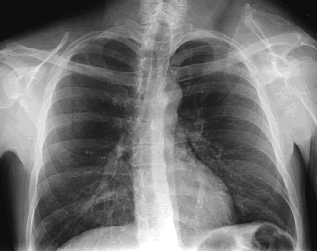
Trauma Activation: A 25-year-old motorcyclist traveling approximately 75 miles per hour lost control and the motorcycle slid from underneath him. His entire right side made primary contact with the road. Upon arrival, he was awake and able to participate in his examination. His left upper extremity was pulseless with a complete loss of motor function and sensation. 

Diagnosis
Left Scapulothoracic Dissociation - a traumatic disruption of the scapulothoracic articulation often associated with:
  • other orthopedic injuries including those to the acromioclavicular joint, clavicle, scapula, and sternoclavicular joint,
  • vascular injuries particular to the subclavian and axillary arteries,
  • neurologic injuries especially to the ipsilateral brachial plexus.[1,2]